


Repair an isolated fault when a trained technician confirms the rest of the door is sound and the repair restores safe operation. Compare a replacement when several sections, the frame, or the operating system are damaged, parts cannot be matched, or the opener cannot meet current safety needs. Ask for a diagnosis and written options before accepting a full replacement. A garage door and its opener are different systems, so identify which one is actually failing.
This guide explains the decision, not a statewide price. For companies to contact, use our Maryland garage door company comparison. Its listed businesses are starting points for verification, not a substitute for written quotes or current credentials.
First decide whether it is safe to operate the door
Stop using the door and call a trained technician if a spring is broken, a cable is loose or frayed, the door is off its track, or it moves unevenly. Do not loosen or adjust springs, cables, or bottom brackets yourself. The Door and Access Systems Manufacturers Association explains why these parts can be dangerous under tension. Keep people clear of a damaged door until it has been inspected.
A closing opener that does not reverse correctly also needs prompt attention. The U.S. Consumer Product Safety Commission identifies a mandatory federal safety standard for automatic residential garage door operators. Its consumer alert says a non reversing opener should be repaired or replaced. Follow the manufacturer’s test instructions and have a professional assess a failed test.
Separate a door problem from an opener problem
Door hardware: A trained technician should inspect the springs, cables, rollers, hinges, tracks, panels, and framing. A door that binds or hangs crooked can overload an opener. Replacing the motor without correcting the door may leave the original problem in place.
Opener and controls: If the door itself is sound but the motor, remote, wall control, or safety sensor is faulty, ask for an opener diagnosis and a separate repair or replacement quote. Confirm that any proposed opener is compatible with the door and that its required safety features will be demonstrated before handover.
When a repair may make sense
A targeted repair is easier to justify when the damaged part can be replaced with a compatible component, the remaining door is structurally sound, and a technician can demonstrate smooth operation and safety after the work. Ask whether the quote covers one component or a related set, what labor is included, and what warranty applies. A cosmetic panel problem may have a different answer from a failed spring or track.
For storm or impact damage, ask the technician to document which sections and supports are affected. The industry’s damage assessment guidance tells trained technicians to consider sections, hinges, rollers, fasteners, and other components before presenting viable repair and replacement options. A photo of one dent does not establish that the whole system must be replaced.
When a full door replacement deserves comparison
Request a full replacement option when multiple sections are damaged, the door cannot be restored to stable operation, replacement sections are unavailable or mismatched, or the condition of the door and track makes a small repair poor value. Ask whether the existing track, opener, and framing can be retained safely. Do not assume old track can be reused just because the new panels fit the opening; the manufacturer’s requirements and the technician’s inspection should decide.
If the opener lacks functioning reversal protection, treat that as a separate safety decision. A new door does not automatically fix an unsafe opener. Ask the installer to identify exactly which components will be replaced and to demonstrate the completed safety checks.
Compare the total cost of each option
Ask for separate itemized quotes for the smallest safe repair, a section or opener replacement when applicable, and a complete door replacement. Record the service call and diagnostic fee, parts, labor, track or spring work, disposal, any electrical work, permits if required, taxes, and warranty. A low headline price is hard to compare if another proposal includes work the first excludes.
Use the same questions for every bid: What failed? Which parts are included? Is the repair expected to restore safe operation? What are the exact door and opener models? Will the installer inspect the framing and confirm compatibility? Who handles any permit? What is the total payable amount, payment schedule, and warranty? Ask for answers in writing.
A damaged garage opening may be part of a larger exterior project after a storm. If you are comparing that broader scope, our Maryland roofing company comparison helps you keep roof work separate from the door quote. For a larger renovation in Annapolis, the Annapolis contractor guide covers general project checks. Those lists do not replace a garage door specialist’s inspection.
Verify the contractor and local requirements
Maryland’s Home Improvement Commission says residential home improvement includes repair or replacement of a building or part of one. Check the contractor’s applicable license through the state’s public license search, and confirm the business name on the quote matches. Ask who will perform the work and who is responsible for permits. Requirements can differ by location and scope; use Maryland’s county building office directory to find the local authority before work begins.
A practical decision in one sentence
Choose the least extensive option that a qualified technician can document as safe and durable, then compare it against a complete replacement quote with the same scope, warranty, and payment terms. Keep a copy of the diagnosis and both proposals. Do not let an urgent outage erase the safety or licensing checks.
Editorial independence and advertising
This guide is independent editorial information. Paid advertising or guest contributions do not purchase a position in our company comparisons or guarantee search visibility. Maryland businesses can review our advertising opportunities; any paid placement is separately labeled.
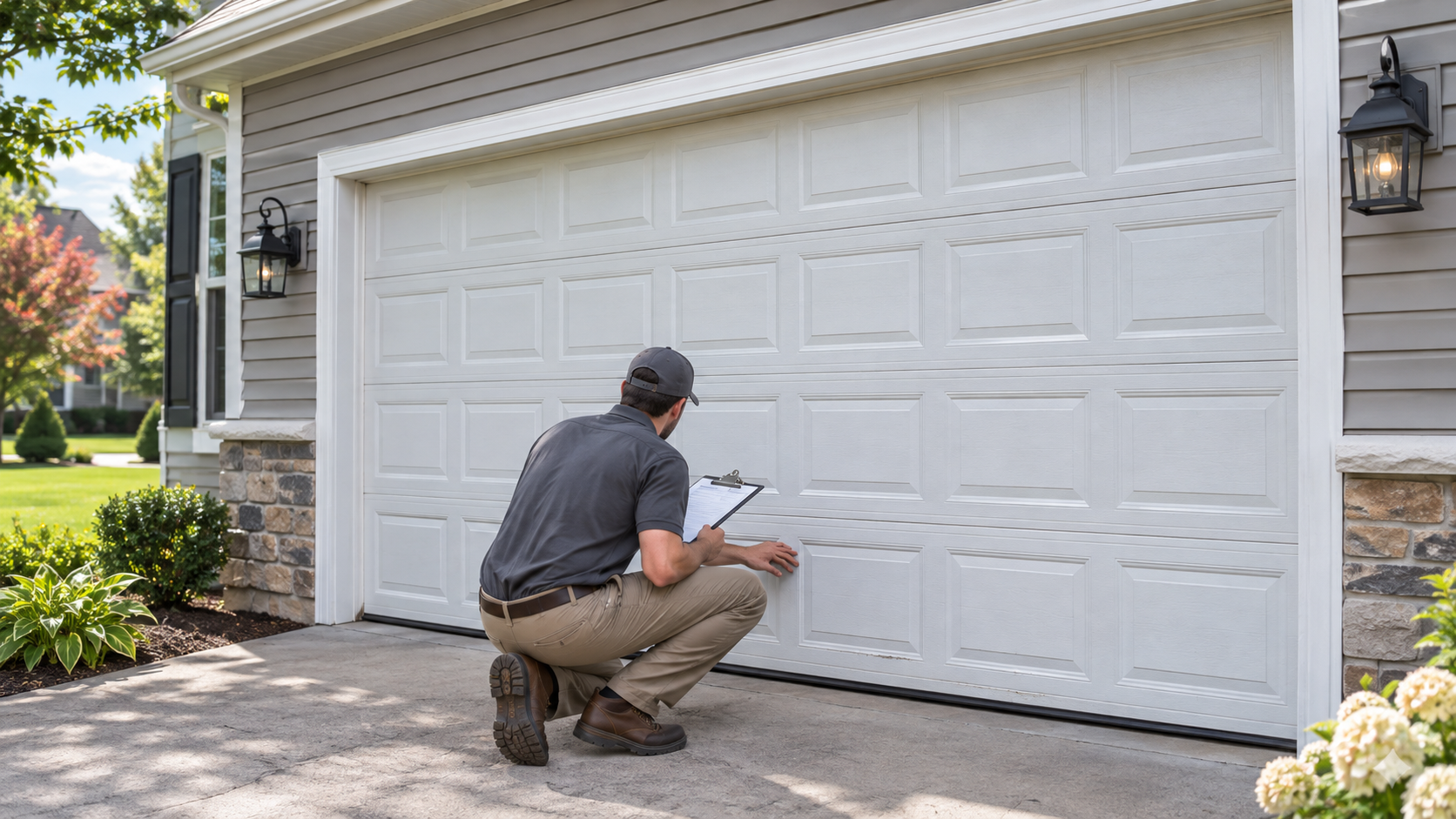
Image note: The featured image is an illustrative generated scene. It does not depict a documented Maryland service visit or a listed company.
